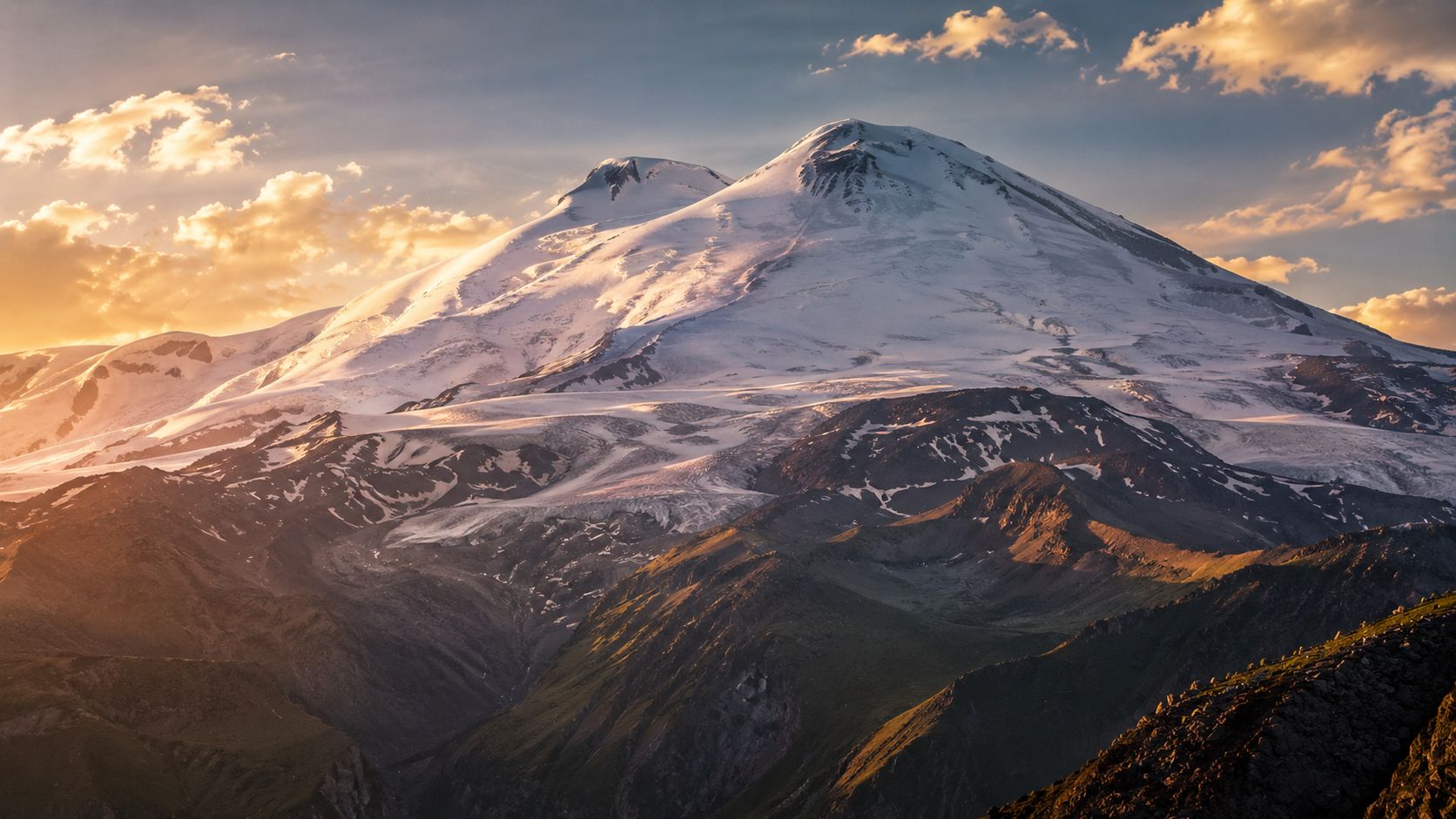
Mount Everest stands as the ultimate symbol of human aspiration and natural grandeur. Towering at 8,848.86 meters above sea level, it commands awe and respect from climbers and casual observers alike. Far more than a mere mountain, Everest represents centuries of exploration, scientific inquiry, and cultural significance. Its massive snow-capped summit serves as a beacon, drawing adventurers who seek to push their physical and mental limits. The very name “Everest” echoes the legacy of Sir George Everest, whose pioneering surveys in the 19th century laid the groundwork for the mountain’s official recognition. Yet beyond cartographic milestones lies a tapestry of tales—of Sherpa communities whose lives intertwine with the mountain’s rhythms, of shifting glaciers that whisper the secrets of climate change, and of hidden archaeological finds that reshape our understanding of Himalayan history. As global interest in high-altitude mountaineering surges, Everest continues to captivate the human imagination, offering challenges as formidable as its frozen slopes. In this journey through the world’s highest peak, we will uncover the geological marvels, historical triumphs, and future frontiers that make Everest a living witness to Earth’s raw power and humanity’s indomitable spirit.
Footprints on the Roof of the World: The History Behind the First Ascent
The saga of Everest began long before Edmund Hillary and Tenzing Norgay reached its summit in 1953. Local Tibetan and Nepalese legends spoke of “Chomolungma,” the “Mother Goddess of the World,” guarding the mountain’s icy throne. In the mid-1800s, the Great Trigonometrical Survey of British India cast the first scientific light on Everest, then known as Peak XV. Obscured by political boundaries and dire logistics, early explorers dared not approach its forbidding glaciers. It was not until Nepal opened its borders in the early 1950s that a concerted effort emerged. The 1953 British expedition led by Colonel John Hunt combined cutting-edge equipment, meticulous planning, and invaluable Sherpa expertise.
When Hillary and Norgay stood atop Everest on May 29, global headlines heralded a triumph of determination. Yet the ascent owed much to countless unsung contributors—valiant support climbers who battled frostbite, engineers who devised oxygen systems robust enough to function in the death zone, and porters who bore heavy loads through treacherous passes. That first successful summit forged a template for all who followed: respect local knowledge, innovate with every technological advance, and never underestimate the mountain’s caprice. The legacy of that historic day endures in every boot print left on Everest’s shifting snow.
Beneath the Snow: Geological Wonders and Hidden Landscapes
Everest’s colossal presence stems from the relentless dance of tectonic plates. Roughly 50 million years ago, the Indian Plate crashed into the Eurasian Plate, thrusting up the Himalayas in a cataclysmic collision that continues today. This ongoing convergence drives the mountain upward by nearly a centimeter each year. Beneath its glacial veneer lie layers of marine limestone and marble—strata originally formed on an ancient seabed, now lofted skyward in a geological marvel. Explorations beneath the Khumbu Icefall reveal crevasses that plunge hundreds of meters, carving corridors through the mountain’s softer sedimentary rocks. Beneath layers of frozen water, scientists have uncovered fossilized seashells and rare microfossils that reveal Earth’s climatic past. These findings not only delight paleontologists but also provide critical data on how the planet has responded to past warming events. In places like the South Col, where winds sculpt snow into towering features known as “seracs,” researchers deploy ice-penetrating radar to map hidden cavities, glacial flows, and meltwater channels. Each discovery adds nuance to our understanding of Everest’s dynamic interior, challenging long-held assumptions about high-altitude geology and the resilience of ice under extreme pressure.
Whispers in Thin Air: Climate Challenges and the Changing Face
Climate change casts a long shadow over Everest’s future. Over the past several decades, warming temperatures have accelerated glacial melt, causing seracs to collapse and altering climbing routes once considered stable. The Khumbu Glacier, an essential artery for expedition passage, has retreated significantly, exposing jagged moraine fields and increasing the risk of rockfall. Scientists have documented rising temperatures as high as 0.3°C per decade at base camp, a trend that imperils both the mountain’s ecosystems and the safety of climbers. Warmer weather also influences precipitation patterns, with unpredictable monsoon shifts triggering avalanches that can sweep through camps in seconds. Yet in the face of these hazards, a new generation of mountaineers and researchers is pioneering adaptive strategies.
High-altitude weather stations now transmit real-time data on wind speeds and temperature fluctuations, enabling teams to choose safer summit windows. Clean energy initiatives at remote research posts are reducing the carbon footprint of scientific work, while community-led efforts in the Khumbu Valley promote sustainable tourism practices. By listening to the whispers of thin air, Everest’s guardians—both human and natural—are striving to balance the allure of conquest with the imperative of conservation.
Living on the Edge: Sherpa Stories and the Human Spirit
For centuries, Sherpa communities have thrived in Everest’s shadow, their lives inextricably linked to the mountain’s rhythms. From sunrise prayers to elaborate rituals seeking protection on each climb, Sherpas have nurtured a spiritual bond with Chomolungma. Their unmatched high-altitude physiology—adaptations in hemoglobin concentration and lung capacity—makes them ideal climbing partners. Yet beyond physical prowess lies a rich tapestry of personal narratives. Stories abound of Ang Rita Sherpa, the “Snow Leopard,” who summited Everest ten times without supplemental oxygen, and of Apa Sherpa, who bore the summit flag 21 times. But for every celebrated hero, countless others toil in relative anonymity, ferrying supplies through the Khumbu Icefall or preparing camps at dizzying elevations. These unsung heroes endure perilous conditions, earning meager wages that belie the risks they shoulder. Recent years have seen Sherpa mountaineers stepping into leadership roles, guiding international teams and advocating for safer working standards. They are championing education initiatives for their children and pressing for recognition of their contributions. As Everest’s human face evolves, the Sherpa community stands at the forefront of preserving local heritage while steering the mountain’s modern destiny.
Secrets Carved in Ice: Hidden Treasures and Unexpected Discoveries
Everest’s icy expanse has more to reveal than altitude records and climbing feats. Archaeological surveys in remote corners of the mountain have unearthed artifacts buried in perpetual snow—wooden prayer flags dating back centuries, metal talismans encrusted in ice, and even ancient skeletal remains that hint at early pilgrimages. In 2010, a Tibetan mountaineering relic was discovered near the Northeast Ridge, suggesting that locals attempted high-altitude ascents long before Western expeditions arrived. Each find challenges the narrative that Everest was unknown until the colonial era.
Meanwhile, tumbling down crevasses or revealed by glacial melt, modern climbers occasionally stumble upon personal effects—discarded oxygen bottles imprinted with expedition logos, battered cameras whose last shutter click recorded human triumph or tragedy. Not all discoveries are physical. Hidden within meteorological data are subzero wind patterns mirroring atmospheric oscillations elsewhere on the planet, offering clues to large-scale climate dynamics.
And beneath the roar of avalanches, seismologists detect subtle tremors as Himalayan crustal blocks slip and grind. These phenomena, imperceptible to the naked eye, shape Everest’s silent testimony to geological and cultural evolution. As technology advances, so too does our capacity to decode the mountain’s icy vaults, revealing treasures that extend far beyond the summit.
Into the Death Zone: Science, Technology, and the Battle for Survival
Ascending above 8,000 meters thrusts climbers into Everest’s notorious “death zone,” where oxygen levels plummet to one-third of sea level values. Here, the human body teeters on the brink of physiological collapse—cognitive faculties dull, muscle tissue degrades, and frostbite can set in within minutes. To combat these perils, mountaineers have embraced cutting-edge technologies. Lightweight composite tents insulated with aerogel retain warmth in subzero nights, while ultra-efficient stoves powered by biofuel reduce weight without sacrificing performance. Wearable sensors monitor core temperature, heart rate, and blood oxygen saturation, transmitting alerts that may mean the difference between life and death. Drones equipped with thermal imaging scout avalanche-prone slopes, and satellite-linked devices enable instant SOS signals, ushering in rapid-response rescue teams.
High-altitude laboratories, perched precariously on narrow ridges, allow researchers to study human adaptation to hypoxia, informing medical treatments for patients with respiratory ailments worldwide. Yet technology is not a panacea. Equipment can fail under fierce winds, batteries drain in freezing temperatures, and signals can be lost amid swirling snow. The mountain’s indifferent power serves as a reminder that, despite all human innovation, survival hinges on humility, preparation, and respect for Everest’s uncompromising environment.
Beyond the Summit: The Future of Everest Exploration
As the 21st century unfolds, Mount Everest continues to evolve from an isolated peak into a nexus of environmental research, cultural exchange, and technological innovation. Climate scientists plan to install deeper ice cores to unlock millennia of atmospheric history, while biologists study extremophile microbes living in meltwater streams, searching for insights into life’s resilience. Virtual reality experiences are bringing Everest’s landscapes to classrooms worldwide, inspiring a new generation to cherish high-altitude ecosystems. At the same time, international bodies are debating caps on annual permit numbers to prevent overcrowding and ecological damage. Emerging voices from Nepal and Tibet are shaping policy, advocating for community-led conservation projects that blend traditional knowledge with modern science. Meanwhile, filmmakers and writers continue to reinterpret Everest’s legend, shifting focus from conquest to stewardship. The mountain’s secrets—etched in rock, ice, and human memory—remind us that Everest is more than a prize to be won. It is a living laboratory, a sacred guardian, and a mirror reflecting our collective hopes and vulnerabilities. As we peek beyond the summit, we glimpse a future where exploration means not only reaching new heights but also preserving the mountain’s majesty for generations to come.