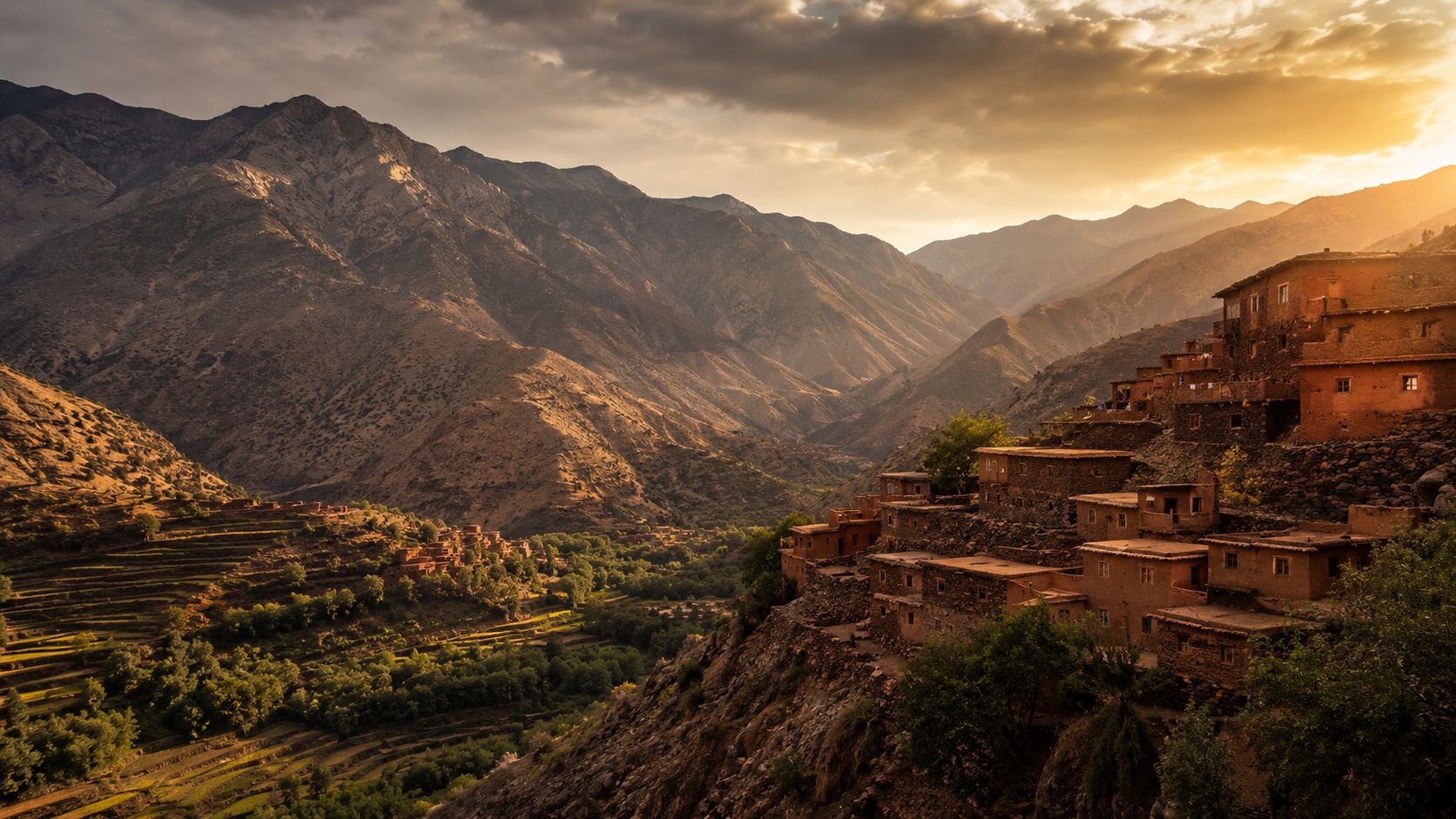
Stretching more than 4,800 kilometers from the northern reaches of British Columbia to the deserts of New Mexico, the Rocky Mountains stand as North America’s most imposing backbone. These rugged peaks and sweeping valleys serve not only as a dramatic backdrop for Western landscapes but also as a vital engine driving ecological diversity, water supply, and human culture. From distant skylines traceable on clear days to hidden alpine lakes mirrored beneath jagged summits, the Rockies enchant and challenge all who venture into their domain. Their very name conjures images of windswept ridges, thunderous waterfalls, and snow-dusted pines—an invitation to explore untamed wilderness. Yet this mountain range is not merely scenery; it is an active, living force shaping weather patterns, feeding rivers that sustain millions, and inspiring generations of artists, scientists, and adventurers. As you traverse this grand spine of stone, you step onto ground forged by ice and fire, threaded with trails of wildlife and human history. In this exploration, we will look into the Rockies’ geological birth, the rivers they nurture, the life they harbor, the cultures they cradle, and the conservation efforts ensuring their grandeur endures for centuries to come.
Titans Forged in Fire and Ice
The Rocky Mountains owe their origin to tectonic collisions that began approximately 80 million years ago, during the Laramide orogeny. Huge slabs of Earth’s crust were thrust skyward, creating vast thrust faults and folding ancient seabed rocks into towering peaks. Over successive ice ages, glaciers carved deep U-shaped valleys, gouged cirques where snow accumulated, and left behind moraines that mark their long-gone terminus. In places like the Canadian Rockies, serrated ridges of limestone and shale glint in the sun, while farther south the range reveals granite cores that have weathered countless millennia. The variation in rock types tells a story of shifting environments—from tropical seas to volcanic upheaval—embedded in every striated cliff face. Even today, the Rockies continue to rise and erode in tandem, as uplift rates measured by geologists balance with the relentless forces of wind and water.
Beneath this geological drama lie hidden treasures: mineral veins that fueled frontier mining towns, fossils of creatures that once roamed shallow seas, and subterranean aquifers that feed springs far below. The very bones of the Rockies speak of epochs lost to time, offering a classroom for geoscientists and a playground for anyone awed by Earth’s restless dynamism.
Lifeblood of the West: Rivers Carved by Mountain Waters
Out of snowmelt and thunderous alpine runoff, the Rockies give birth to some of North America’s most important rivers. The Colorado River begins as a trickle of icicles in the Colorado Rockies and swells into a mighty waterway that carves the Grand Canyon before nourishing arid lands across the Southwest. The Green River, a tributary born in Wyoming’s Wind River Range, cuts a sinuous path southward, sustaining riparian corridors teeming with cottonwoods and willows. On the eastern slopes, the South Platte and Missouri rivers chart courses that helped shape early transportation routes for explorers and settlers. These waterways sculpt canyons, deposit fertile alluvium in valleys, and provide drinking water, irrigation, and hydroelectric power to millions. Seasonal rhythms of snowmelt dictate agricultural calendars; spring runoff can swell creeks into torrents that test dam safety, while late summer may see diminished flows impacting fish and farmland alike. Over decades, water managers have built reservoirs and diversion systems to regulate these natural extremes, balancing human demands with ecological health. Yet as climate patterns shift and population grows, the Rockies’ role as a headwater sanctuary grows ever more critical, reminding us that the fate of distant cities and farms is tied inseparably to snowflakes high on serrated ridgelines.
A Symphony of Life Above Timberline
Crossing the tree line into alpine meadows, hikers enter a realm where life adapts to thin air and frigid nights. Cushion plants hug rocky ground, their dense mats resisting cold winds, while brilliant wildflowers like glacier lilies and Indian paintbrush erupt in fleeting blooms each summer. Birds such as rosy-finches flit among boulders, and mountain goats traverse knife-edge arêtes with astonishing surefootedness. Down lower, subalpine forests of Engelmann spruce and subalpine fir give way to vast stands of lodgepole pine, whose serotinous cones burst open only after the heat of wildfires.
Elk and mule deer migrate between summer high-country forage and winter lowland shelter, followed by predators like mountain lions and elusive lynx. In riparian corridors, beavers build lodges that create wetlands vital for amphibians and songbirds. Across these habitats, the Rockies host more than 90 species of mammals and thousands of plant species, many found nowhere else on Earth. Researchers continue to uncover cryptic life forms—for instance, cold-adapted microbes within glacial ice that offer clues to life in extreme environments. Each component of this mountain ecosystem plays its part in a complex web of survival, from pollinating insects that ensure the next season’s blooms to apex predators that maintain healthy ungulate populations.
Footprints of First Nations and Pioneers
Long before European explorers blazed wagon trails, Indigenous peoples such as the Ute, Blackfeet, Shoshone, and Crow shaped their cultures around the rhythms of the Rockies. They followed animal migrations across high passes, harvested huckleberries in alpine meadows, and painted visions of the peaks in beadwork and rock art.
Sacred mountains like Wind River Peak and Mount McKinley (Denali) held spiritual significance, weaving into creation stories and seasonal rituals. When trappers and traders ventured west in the early 19th century, they navigated the same valleys that tribal communities had known for generations. Figures like Jim Bridger and Kit Carson guided mountain men through hidden passes in search of beaver pelts, while later gold rushes in Colorado and Montana spurred waves of prospectors into basins once patrolled by buffalo.
Towns emerged at crossroads of commerce—Leadville, Helena, and Jackson Hole owe their origins to these pioneer days. Yet even amid prospecting camps and cattle ranches, cultural exchange took place, as settlers adopted Indigenous knowledge of herbal medicine and snow mitigation. Today, descendants of these cultures collaborate in park stewardship, ensuring that the Rockies’ human history remains as honored as its natural grandeur.
Trails, Peaks, and the Thrill of Wilderness
From the Continental Divide Trail tracing the spine of the Rockies to the steep scramble up Longs Peak’s “Diamond,” the range beckons outdoor enthusiasts with challenges as varied as its terrain. Backpackers immerse themselves in backcountry solitude beneath moonlit skies, while rock climbers test their mettle on granite walls polished by centuries of wind. Skiers carve powder in glacial cirques, and whitewater rafters navigate roaring rapids born of spring melt. Aspiring mountaineers train on Colorado fourteeners—peaks above 4,267 meters that require stamina, route-finding skill, and respect for sudden weather shifts. Guided climbs introduce novices to alpine environments, emphasizing Leave No Trace ethics and safe travel across snowfields. Interpretive centers and park rangers reveal hidden wonders: geothermal hot springs fed by mountain aquifers, shimmering alpine tarns that mirror soaring pines, and wildlife viewing opportunities where elk bugle at dawn. Yet the Rockies’ true allure lies in that moment when civilization slips away, and hikers stand on a ridge, wind tearing at their jackets, with nothing between them and the horizon but air and endless peaks. In those instances, one feels the pure exhilaration of wilderness—a pulse that echoes the mountains’ own enduring heartbeat.
Guardianship Amid Change: Conservation Challenges
As the Rockies face unprecedented pressures from development, resource extraction, and climate shifts, conservationists strive to safeguard their ecological integrity. Fragmentation of habitats by roads and subdivisions threatens migration corridors for species such as bighorn sheep and lynx, while invasive plants like cheatgrass alter fire regimes, fueling megafires that consume forests unnatural in scale. Melting permafrost destabilizes slopes, threatening infrastructure and releasing stored carbon. In response, land managers collaborate across jurisdictions—national parks, national forests, tribal lands, and private ranches—to establish wildlife crossings, restore riparian zones, and implement controlled burns that mimic historic fire patterns. Citizen science programs enlist hikers to document wildflower phenology and wildlife sightings, contributing data for adaptive management. Renewable energy proposals, such as wind farms on ridge lines, ignite debates over balancing clean power with scenic preservation. Meanwhile, burgeoning eco-tourism brings revenue to mountain towns but also strains trails and campsites. Addressing these challenges requires creativity and cooperation, weaving together traditional ecological knowledge with cutting-edge research to ensure that the Rockies remain a haven for nature and people alike.
The Rocky Road Ahead: Embracing a Shared Legacy
Looking toward the future, the Rocky Mountains stand at an ecological and cultural crossroads. Climate projections suggest earlier snowmelt and reduced snowpacks, altering river flows that feed agriculture and cities downstream. Yet opportunities abound: advanced hydrological monitoring systems promise better water management, and community-led conservation easements protect vast swaths of private land from development. American Indian tribes and First Nations are reclaiming stewardship roles, integrating ancestral practices into modern forest and wildlife management. Technological innovations—from drone-based wildlife surveys to satellite imagery mapping habitat change—augment boots-on-the-ground conservation efforts. Educational initiatives immerse youth in hands-on ecology, ensuring that the next generation cherishes and defends these peaks.
Festivals celebrating mountain music, art, and storytelling reinforce the Rockies’ place in collective imagination. Ultimately, the enduring spirit of the Rockies lies in our capacity to adapt, collaborate, and find balance between exploitation and reverence. As we chart this rocky road ahead, we carry forward a shared legacy: a commitment to honor nature’s grand western backbone, safeguarding its majesty for all who will stand beneath its towering ridges and listen to the echoes of earth’s ancient heart.