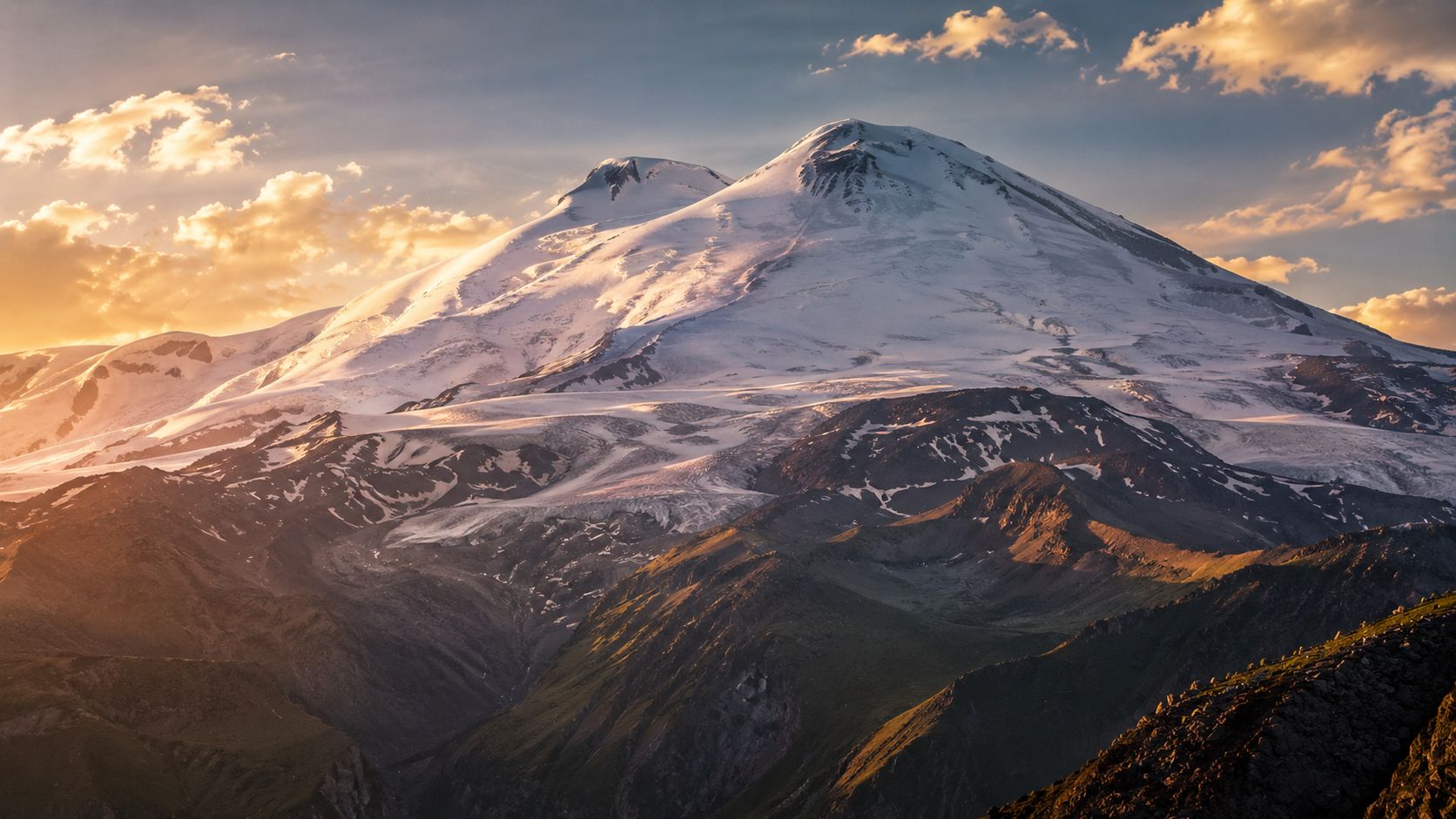
Mount Olympus rises from the northern Greek landscape as more than a mountain—it is a symbol of mythology, a sanctuary of nature, and a powerful cultural touchstone that has captured the imagination of humanity for millennia. Towering at nearly 10,000 feet, it is Greece’s highest peak and the most legendary summit in all of Europe. Throughout ancient Greek history, Olympus was revered not simply as a majestic natural formation but as the celestial residence of the Twelve Olympian gods. Zeus, Hera, Athena, Apollo, Artemis, Hermes, Poseidon, and others were believed to convene in grand halls high above the clouds, shaping the fates of mortals and governing the universe from its divine heights. To the ancient Greeks, Olympus represented the threshold between the natural and the supernatural—a place where the mortal world ended and the realm of gods began. Stories told of storms unleashed by Zeus, sacred groves blessed by Artemis, and secret pathways known only to divine beings. Even today, the mountain’s dramatic cliffs, mist-filled valleys, and shifting weather patterns seem to echo those ancient tales. Mount Olympus is not just a mythological symbol; it is a real landscape rich with biodiversity, archaeological heritage, and outdoor adventure. It captivates travelers with its sheer rock faces, deep ravines, and lush forests, inviting them to explore a place where mythology comes alive through the natural world. As Greece’s first national park and a UNESCO Biosphere Reserve, Olympus stands as a testament to the enduring connection between nature, culture, and human imagination.
The Making of a Mythic Mountain
The origins of Mount Olympus stretch back millions of years, shaped by tectonic forces that thrust its limestone mass upward from the Earth’s crust. Geological evidence reveals that the mountain was once part of an ancient seabed, where shells, corals, and marine sediments settled in warm waters. Over millions of years, the collision of tectonic plates raised these deposits skyward, forming the monumental peaks and cliffs that define Olympus today. The mountain’s unique structure includes deep ravines, sharp ridges, and steep faces sculpted by erosion, glaciation, and water flow. Its summit ridge features numerous peaks, the tallest being Mytikas, followed by Stefani—often called the “Throne of Zeus.” Stefani’s throne-like shape, perched high above dramatic drop-offs, naturally inspired ancient storytellers to imagine it as the literal seat of the king of the gods. Olympus’ physical characteristics played a crucial role in shaping its mythological identity. Clouds frequently swirl around the summits, hiding them from view and creating an ethereal atmosphere. Thunderstorms often gather at high altitudes, leading ancient Greeks to believe that Zeus himself hurled his thunderbolts from these heights. The combination of geological grandeur and atmospheric mystery gave the mountain an aura of divinity long before written history. The mountain’s formidable cliffs and rugged terrain made it largely inaccessible to ancient climbers, reinforcing the myth that only gods could inhabit its heights. For thousands of years, Olympus stood as a sacred boundary between the mortal world and the realm of immortal beings. Even today, the geological drama of Olympus feels infused with mythic presence, reminding visitors that landscapes often shape the stories people tell.
Olympus in the World of Ancient Greece
In the mythology of ancient Greece, Mount Olympus served as the cosmic center of divine life. It was the home of the Twelve Olympians—a powerful council of gods who oversaw every aspect of existence. According to the myths, Zeus ruled from a magnificent palace with golden halls and marble floors, where clouds served as curtains and breezes drifted through celestial windows. Surrounding Zeus were the other major deities, each with their own domains, responsibilities, and stories that shaped Greek religion, art, and literature. Olympus featured prominently in countless legends. Heroes like Heracles, Perseus, and Odysseus often interacted with gods who were said to descend from the mountain to influence mortal affairs. Poets such as Homer described Olympus as a place of eternal calm and bright air, untouched by storms or the passage of time—though ironically, the actual mountain is famous for its harsh weather. The mountain also played an important role in Greek religious practice.
While temples dedicated to gods existed throughout Greece, Olympus remained the symbolic center of divine authority. Ritual offerings, festivals, and competitions were often connected to the gods believed to dwell above. The ancient Olympic Games, held at Olympia in honor of Zeus, symbolized humanity’s quest for excellence inspired by divine example. Philosophers and historians also referenced Olympus in their works. Herodotus, Hesiod, and Pindar wrote extensively about the gods and their supposed home, weaving mythological stories into early attempts at cultural and historical explanation. As Greek civilization evolved, Olympus remained a foundational symbol—an anchor for beliefs about power, morality, and the mysterious forces that governed the cosmos. Even today, references to Olympus permeate modern culture, from literature and film to sports and metaphors of greatness.
A Natural Kingdom of Forests, Peaks, and Ravines
Beyond its mythological significance, Mount Olympus is one of the most ecologically diverse regions in Europe. The mountain’s steep elevation gradients create multiple climate zones, each with its own distinct plant and animal life. From Mediterranean shrublands at its base to alpine tundra near the summit, Olympus contains a remarkable variety of ecosystems compressed into a relatively small geographic area. Lower elevations are blanketed with dense forests of beech, oak, and chestnut trees. These woodlands provide habitat for wolves, foxes, roe deer, and numerous bird species. Climbing higher, the forests shift to fir, pine, and black pine, opening onto meadows filled with wildflowers in the warmer months.
As the altitude increases, vegetation transitions to hardy shrubs and grasses capable of surviving cold temperatures and strong winds. Near the summit, plant life becomes sparse but resilient, clinging to rocky crevices shaped by centuries of erosion. Olympus is home to over 1,700 plant species, many of which are endemic—found nowhere else in the world. Among them are rare alpine flowers that bloom briefly in summer before frost returns. Wildlife thrives in these diverse environments. The mountain shelters golden eagles, griffon vultures, chamois, martens, and more. The rich biodiversity inspired Greek legends that described Olympus as a realm filled not only with gods but also with nymphs, spirits, and mythic creatures who protected the natural world. Water also plays an important role in Olympus’ ecology. Springs and streams flow from its slopes, forming waterfalls and nourishing valleys below. Ancient Greeks believed these waters were blessed by divine presence, adding to the mountain’s sacred aura. Today, the ecological richness of Olympus makes it not only a site of cultural significance but a vital natural resource protected through conservation and research.
Trails to the Realm of the Gods
Modern travelers can climb Mount Olympus—a feat that would have been unimaginable for most of the ancient world. Although rugged and challenging, the mountain offers a network of trails that lead through forests, ravines, and high-altitude landscapes. The journey toward Mytikas, the highest peak, is a pilgrimage of sorts, blending physical challenge with historical curiosity and mythic wonder. Most climbers begin at the small town of Litochoro, known as the gateway to Olympus.
From there, trails ascend into the Enipeas Gorge, a dramatic ravine filled with pools, waterfalls, and rock formations shaped by centuries of flowing water. The forest canopy provides shade as hikers follow paths once believed to be the domain of nymphs and woodland spirits. Higher up, the trail reaches the Prioniá Refuge, a popular rest point and the beginning of the main route to the summit. As hikers climb toward the alpine zone, the landscape opens to sweeping views of the Aegean Sea and the plains of Macedonia. The air becomes thinner, the temperature drops, and the mountain’s signature limestone formations dominate the horizon. Reaching the peak requires navigating steep slopes and scrambling over rocky terrain. Mytikas is reached via a narrow, exposed ridge—an exhilarating finale that rewards climbers with panoramic views that stretch across Greece and the Aegean horizon. Nearby peaks such as Stefani and Skala provide equally stunning vantage points, each offering unique perspectives on the mythical home of the gods. For many visitors, climbing Olympus is not just an outdoor challenge but a transformative experience. The shifting landscapes, dramatic cliffs, and unexpected moments of serenity create a sense of connection to a world far older and grander than one’s own. It is easy to understand why ancient Greeks believed such a mountain could house the divine.
Stories Carved Into Stone and Memory
Mount Olympus is more than rock and sky—it is a living archive of stories, legends, and cultural symbols that span thousands of years. The mountain has inspired generations of poets, artists, historians, and explorers, each weaving its physical presence into the tapestry of human imagination. Ancient myths describe the gods gathering on Olympus to hold councils, settle disputes, and watch over the mortal world. These tales shaped the worldview of the Greek people, influencing everything from politics to moral philosophy. Even today, references to Olympus appear in countless artistic works, from Renaissance paintings to modern films. The mountain has also played a role in Greek history beyond mythology. During the Ottoman era, rebels used its slopes as a refuge, taking advantage of its rugged terrain to evade capture. Folklore from mountain villages tells of heroes, shepherds, and travelers who encountered mysterious beings or witnessed extraordinary natural events that took on mythic meaning.
Archaeological discoveries in the region reveal ancient settlements, sanctuaries, and artifacts that shed light on how ancient cultures interacted with the mountain’s sacred presence. These findings help historians piece together the spiritual and practical significance Olympus held in everyday life. In modern Greece, Olympus remains a powerful national symbol—embodying strength, endurance, and ancestral heritage. Festivals, literature, and local traditions all pay homage to the mountain’s cultural legacy. Even for those who have never climbed it, Olympus stands as a reminder of the rich interplay between nature and myth.
A Sacred Landscape for Future Generations
As a national park and UNESCO Biosphere Reserve, Mount Olympus stands at the crossroads of cultural preservation and environmental stewardship. Its ecosystems face challenges from climate change, tourism, and natural erosion, making conservation efforts essential for protecting its biodiversity and cultural heritage. Glacial remnants on Olympus are shrinking, alpine ecosystems are shifting with rising temperatures, and some flora and fauna are increasingly vulnerable. Scientists and conservationists work to monitor changes, restore habitats, and educate visitors on sustainable practices.
Tourism management helps protect fragile zones by directing foot traffic toward designated trails and refuges. Local communities play an essential role in preserving Olympus. Residents support conservation through sustainable business practices, cultural education programs, and participation in environmental initiatives. Their connection to the mountain forms an unbroken lineage that stretches back to the ancient world. Preserving Olympus means honoring its past, protecting its present, and safeguarding its future. It means ensuring that future generations can climb its trails, explore its forests, and marvel at the same landscapes that once inspired myths of gods and heroes. As the world changes, Olympus stands as a symbol of continuity—a reminder that nature and myth, when cherished, can remain vibrant across millennia.
The Eternal Mountain of Legend
Mount Olympus endures as one of the most iconic natural and mythological landmarks on Earth. Its towering peaks, dramatic landscapes, and deep cultural roots create a sense of wonder that transcends time. To stand on its slopes is to walk in the footsteps of myth, to feel the weight of history, and to glimpse the natural beauty that inspired legends of gods ruling from the sky. Olympus is not merely a mountain—it is a story, a symbol, and a testament to humanity’s enduring fascination with the mysteries of nature. It is a place where geology meets divinity, where landscapes shape imagination, and where travelers discover that the boundary between myth and reality is sometimes as thin as a veil of clouds drifting across a summit. For those who journey to Mount Olympus, the experience lingers long after the climb is over. It becomes a memory carved into the heart—a reminder of why mountains captivate us and why myths endure. Olympus stands not only as the home of the Greek gods but as a timeless beacon of wonder, inviting every generation to explore, imagine, and be inspired.