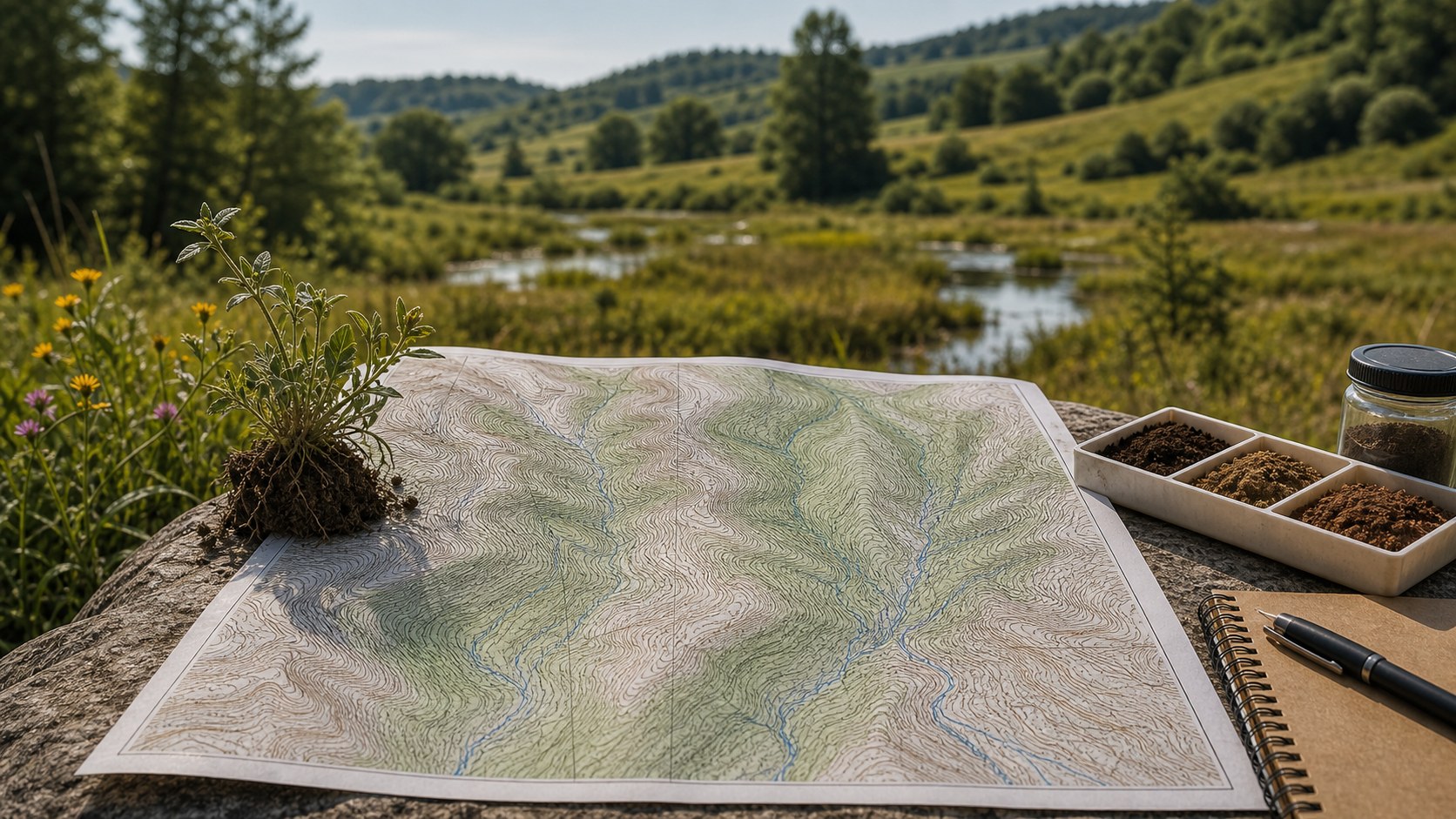
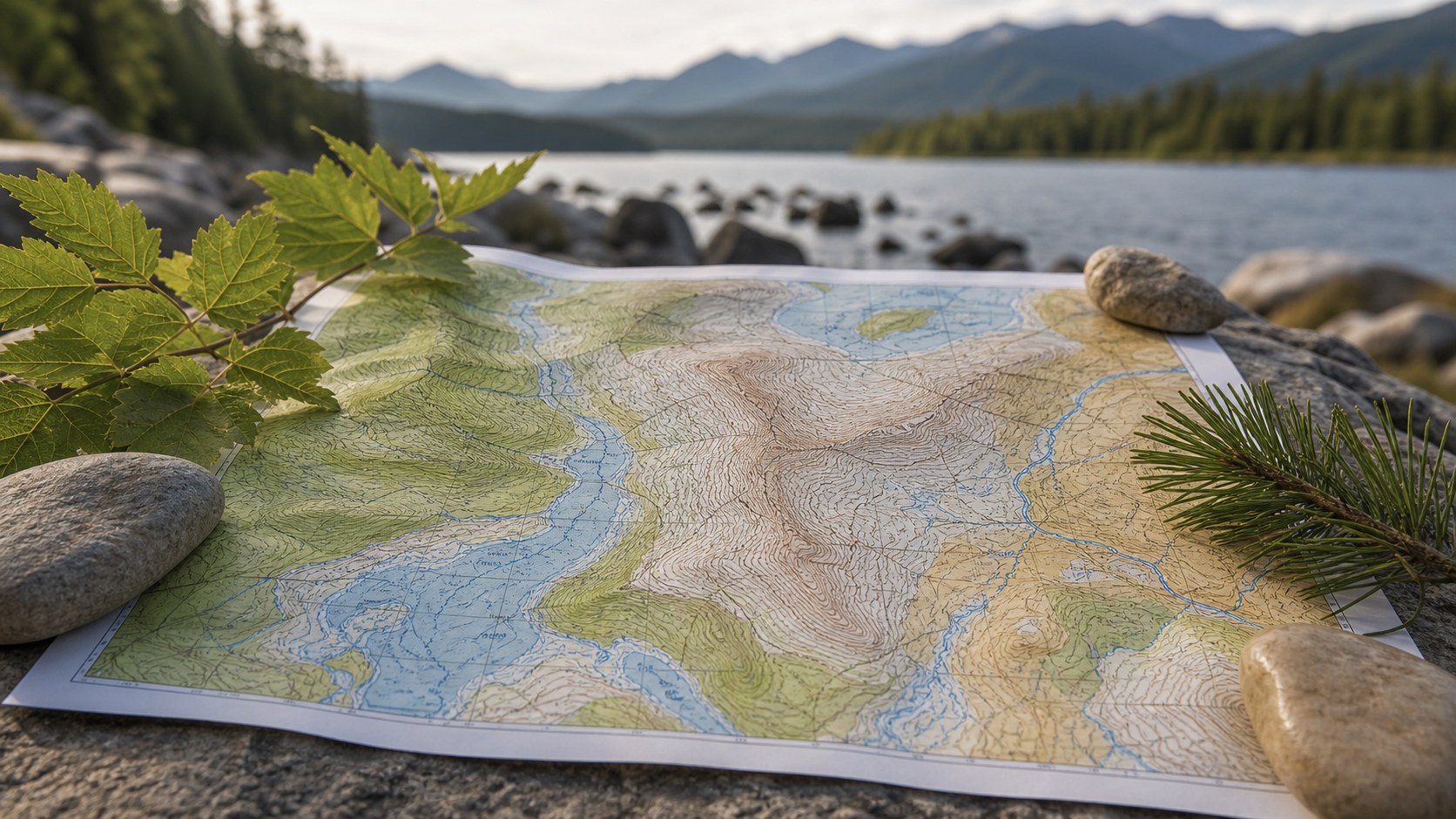
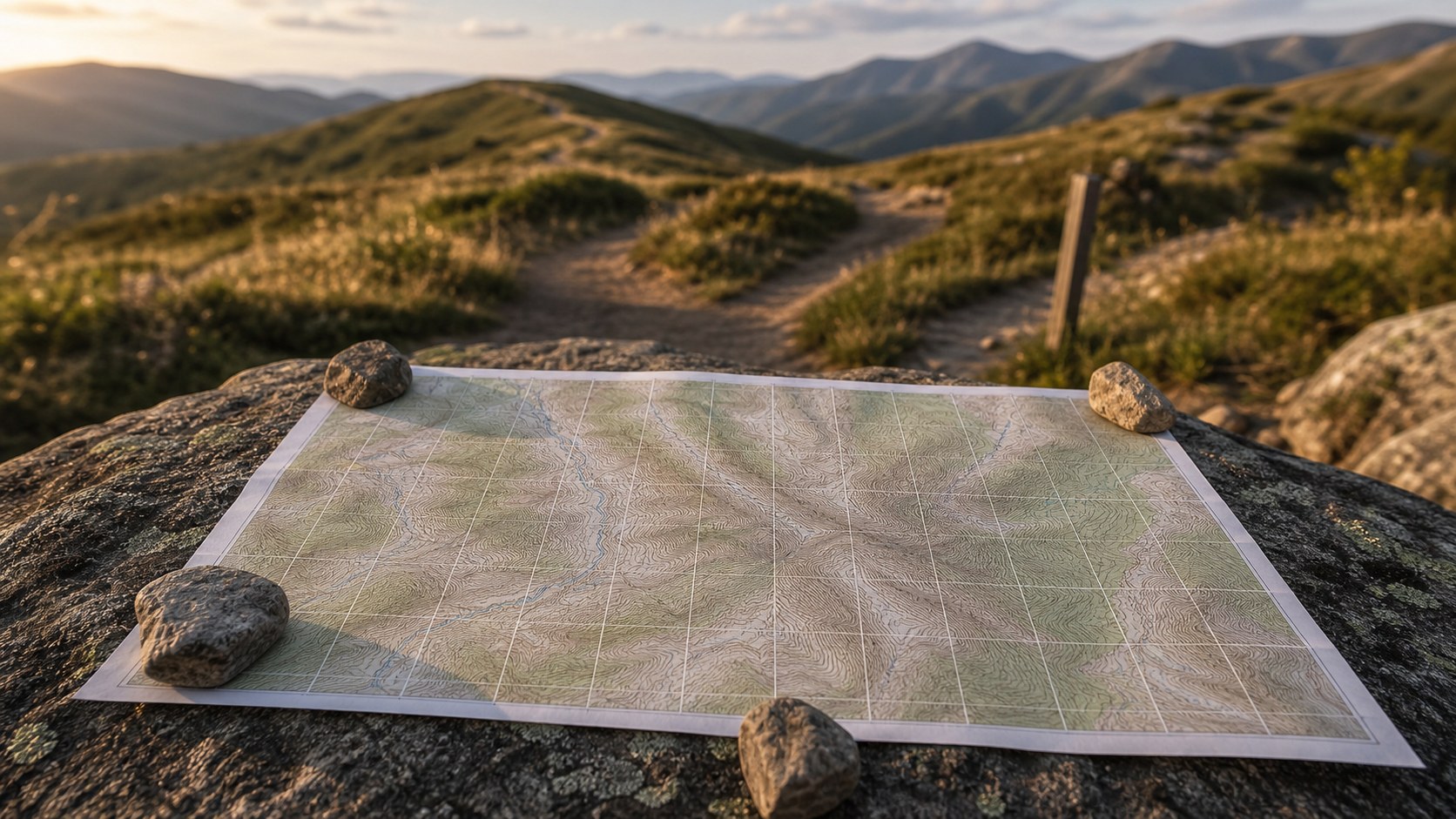
There’s something uniquely captivating about a topographic map. Unlike a standard road atlas or a simple street grid, topo maps bring landscapes to life. They capture the undulating hills, deep valleys, steep cliffs, and winding rivers that shape the earth beneath our feet. For hikers, explorers, surveyors, or map enthusiasts, creating a custom topographic map isn’t just a technical exercise—it’s an adventure in blending science, art, and storytelling. With the right tools and a clear vision, you can design a map that reflects your perspective of the world and elevates your understanding of terrain.
Understanding the Language of Contours
Before diving into map-making, it’s important to understand the unique “language” of topographic maps. Contour lines are the backbone of these maps, representing elevation and relief across a two-dimensional surface. Each line traces a specific elevation, and the spacing between lines conveys steepness. When lines cluster tightly together, the terrain rises sharply; when they spread apart, the land stretches gently. This language is universal: whether you’re looking at a peak in the Rockies, a valley in Appalachia, or a desert mesa in Arizona, contours transform invisible elevation data into a readable, visual narrative. Knowing how to interpret and apply this language ensures your custom map communicates more than just locations—it tells the story of the land.
Gathering the Data That Shapes the Map
A custom topographic map begins with raw elevation data. Today, you have access to a treasure trove of publicly available resources that once were limited to governments and scientists. Digital Elevation Models (DEMs) are the primary datasets used, created through satellite imagery, aerial photogrammetry, or LiDAR scanning. Agencies like the USGS offer massive archives of free data covering almost every corner of the United States, while global datasets from platforms like NASA’s SRTM mission extend coverage worldwide. Choosing the right dataset depends on your project’s scope. A high-resolution LiDAR model is ideal for small-scale maps of hiking trails or local landscapes, while larger DEMs are better suited for wide regional views. Understanding where to source, download, and organize this data sets the foundation for every step that follows.
Tools of the Modern Cartographer
Once you’ve secured your data, the next step is selecting the tools to shape it into a map. Modern mapping software empowers anyone to become a cartographer without needing advanced degrees in geography. Open-source platforms like QGIS provide powerful features for free, including contour generation, hillshading, and layering tools. ArcGIS Pro, a paid professional option, offers even greater customization for those who want advanced cartographic finesse. For simpler projects, web-based tools like Terrain.party or Google Earth Pro allow quick map creation without steep learning curves. Beyond mapping software, design programs like Adobe Illustrator or Inkscape can add polish, color schemes, and labeling that elevate your map from technical to artistic. The tools you choose will shape the balance between precision and creativity.
Designing with Purpose and Style
A custom topographic map is more than lines and numbers—it’s a visual story. Design choices matter, and every element communicates something to your audience. Start with contour intervals: too tight, and the map overwhelms the eye; too broad, and the terrain loses its richness. Add hillshading to bring depth, letting light and shadow reveal ridges and valleys. Color schemes carry equal weight: earth tones can echo natural landscapes, blues and greens can highlight waterways and forests, while bold palettes can make your map stand out as a piece of art. Labeling is another layer of personality. Place names, elevation markers, and trails should guide the reader without cluttering the landscape. Whether your goal is functional navigation or a framed wall piece, design choices transform data into meaning.
From Digital Draft to Tangible Map
While digital maps dominate our screens, there’s still something irreplaceable about holding a printed topo map in your hands. Printing your map allows you to refine details in ways digital versions often obscure. Large-format printers can produce posters with stunning clarity, capturing every contour and shaded ridge. If you want a rugged map for outdoor use, printing on waterproof or tear-resistant paper ensures durability. Some enthusiasts even take their creations further by transforming digital elevation data into 3D-printed relief models, producing tactile versions of terrain that can be held and studied. Bringing your map into the physical world creates a sense of permanence and presence, turning your project into both a tool and a keepsake.
Practical Uses for Custom Maps
The uses for custom topographic maps stretch far beyond hiking and exploration. Landscape architects rely on them for planning projects that harmonize with natural terrain. Environmental scientists use them to model watersheds, erosion patterns, and wildlife habitats. Real estate developers and urban planners incorporate them to anticipate how terrain influences construction. On a personal level, topo maps make incredible gifts for outdoor enthusiasts, showcasing favorite trails, mountains, or lakes. They also serve as educational tools, helping students grasp the physical shape of landscapes in ways flat diagrams cannot. The practical versatility of custom topo maps ensures that every map you make has value, whether functional, scientific, or deeply personal.
Mapping the Future of Terrain Visualization
Creating your own topographic map places you within a long tradition of human curiosity about landscapes, but technology is rapidly expanding what’s possible. Artificial intelligence can now process massive terrain datasets to highlight features automatically. Augmented reality tools allow explorers to overlay topo data directly onto their field of vision. Drone-based mapping provides high-resolution elevation data of areas once inaccessible, while 3D web-based platforms let users interact with maps dynamically, rotating and zooming as if flying over the terrain. As these innovations grow, custom map-making will only become more powerful and accessible. Whether you are crafting a simple hiking guide or experimenting with immersive digital experiences, the art of topo mapping is moving into a future where creativity and science meet like never before.
Final Reflections on Map-Making as an Art
In the end, building a custom topographic map isn’t just about plotting contour lines—it’s about capturing a piece of the world and shaping how others see it. Each decision, from the dataset you download to the colors you choose, creates a lens for understanding landscapes in a way no generic map can replicate. It is both a technical challenge and an artistic pursuit, one that rewards patience, curiosity, and creativity. As you stand back and look at your finished map, you’ll see more than lines and shades—you’ll see a personal connection to the terrain, a crafted reflection of how the land rises, falls, and tells its own timeless story.